IKEA Makes You Build Your Own Furniture on Purpose
5 min read
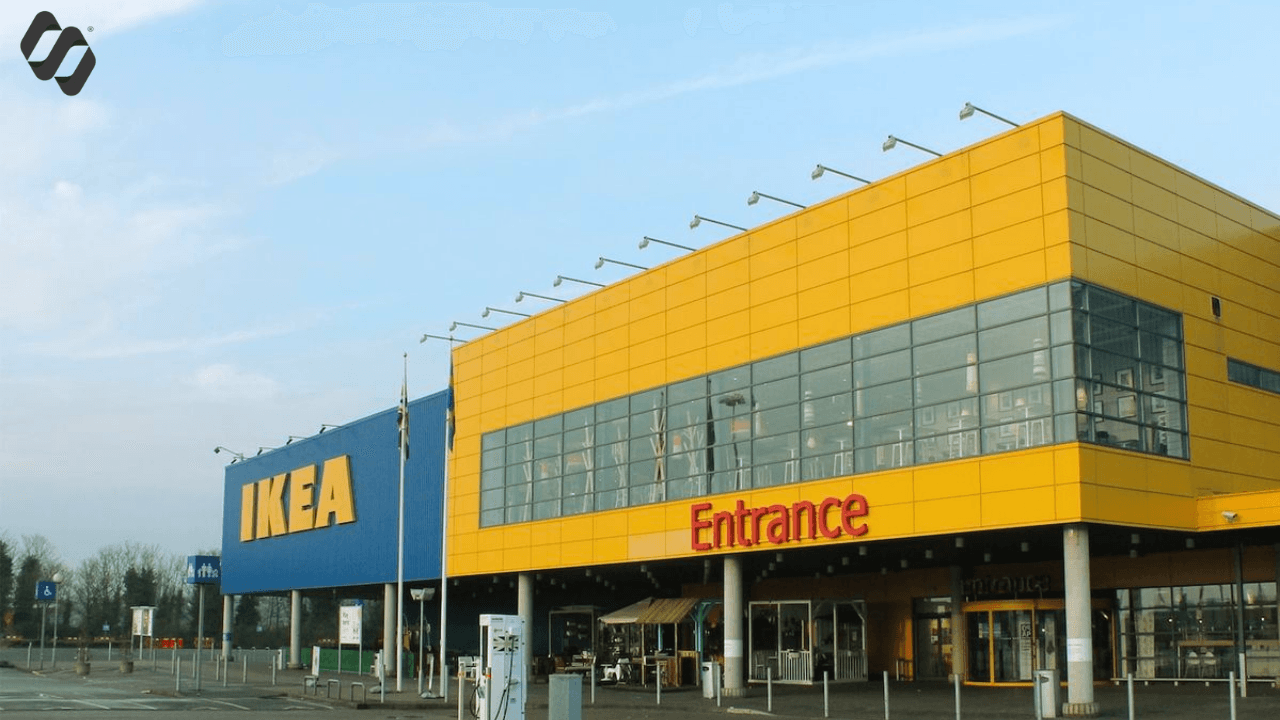
In 1956, a worker at IKEA was loading a table into a customer’s car. It didn’t fit.
So he did the obvious thing. He unscrewed the legs.
Ingvar Kamprad watched this happen. And in that moment, the entire furniture industry changed forever.
What if, Kamprad thought, we sold furniture with the legs already off?
Not because it was broken. Because it was cheaper. Cheaper to ship. Cheaper to store. Cheaper for the customer to take home in a sedan instead of renting a truck.
But here’s what Kamprad didn’t expect.
When customers built the furniture themselves, they liked it more.
Not a little more. A lot more. They kept it longer. They recommended IKEA to friends. They came back and bought more. Something strange was happening. People were paying less money for furniture that required more work, and somehow walking away happier than if they’d bought something pre-assembled.
This made no sense. Until you understand how the brain actually works.
The Harvard Origami Experiment
In 2011, three researchers wanted to know why IKEA customers behaved so irrationally.
Michael Norton from Harvard. Daniel Mochon from Yale. Dan Ariely from Duke. They designed a simple experiment.
One group of participants was given IKEA storage boxes, unassembled, and asked to build them. Another group was given identical boxes, already built, and asked to simply look at them.
Then both groups were asked: how much would you pay for this box?
The builders offered 63% more than the non-builders.
Same box. Same quality. Same everything. Except one group had spent fifteen minutes with an Allen wrench. That fifteen minutes was worth a 63% price premium.
The researchers called this the IKEA Effect.
But they weren’t done.
The Origami Test
Next they tried something messier.
They gave participants paper and instructions and asked them to fold origami cranes and frogs. Most people had never done origami before. The results were, predictably, terrible. Crumpled paper. Crooked wings. Things that vaguely resembled what they were supposed to be but wouldn’t fool anyone.
Then the researchers brought in a second group. They showed them the sad little paper creatures and asked: how much would you pay for this?
Almost nothing. A few cents at most.
But here’s the part that stopped the researchers cold.
When they asked the people who built the origami how much their creations were worth, those people valued their crumpled frogs nearly five times higher than outside observers valued them.
Five times.
And when asked how their origami compared to expert origami made by actual professionals, the builders said their work was just as valuable.
It wasn’t. Their origami looked like it had been through a washing machine. But they couldn’t see that. The act of building had changed how their brains processed value.
Why Completion Matters
There was one more twist.
In another version of the experiment, researchers told participants to build an IKEA box but then stopped them partway through. The box was never completed.
The inflated valuation disappeared.
If you don’t finish what you’re building, you don’t love it more. The effect only kicks in when you complete the task. The incomplete box was worth the same as any other box to its builder. The completed one was worth far more.
Something happens psychologically at the moment of completion. The brain registers an accomplishment. It stamps the object with ownership. Mine. I made this. This exists because of me.
That feeling has a name in psychology: effectance. The sense that you can successfully produce outcomes in your environment. That you have control. That your effort matters.
Building a bookshelf scratches that itch in a way that buying a pre-built bookshelf never will.
Betty Crocker’s Problem
This same principle nearly destroyed one of America’s most famous brands.
In the 1950s, General Mills launched Betty Crocker instant cake mix. It was revolutionary. All the ingredients in one box. Just add water, mix, and bake. Foolproof. Effortless.
Nobody bought it.
The company was baffled. They’d created the most convenient baking product ever made. Why wasn’t it selling?
They hired a psychologist named Ernest Dichter to figure it out. Dichter interviewed housewives and discovered something unexpected.
The women felt guilty.
The cake mix was too easy. It didn’t feel like baking. Presenting an “instant” cake to their families felt like cheating. The convenience that was supposed to be the product’s greatest strength had become its fatal weakness.
Dichter’s recommendation was counterintuitive: make the product harder to use.
General Mills reformulated the mix. They removed the powdered eggs from the recipe and required customers to add fresh eggs themselves.
Now the baker had to do something. Crack an egg. Incorporate it into the batter. Participate in the creation.
Sales took off.
The cake hadn’t changed. The effort hadn’t really changed. But the feeling of contribution was restored. The housewife could look at the finished cake and think: I made this.
That feeling was worth more than convenience.
The $80 Teddy Bear
Build-A-Bear understood this before the scientists did.
Walk into one of their stores and here’s what happens. You pick out a flat, empty fabric shell. A worker helps you stuff it with filling from a machine. You’re instructed to put a small heart inside before it’s sewn up. You give it a name. You fill out a birth certificate.
The end result is a teddy bear that costs $30 to $80, sometimes more.
You could buy a nearly identical bear, pre-made, from any toy store for $10.
Nobody does.
Build-A-Bear generates hundreds of millions in revenue selling bears that customers essentially manufacture themselves, in the store, using the company’s materials and equipment. The customer pays more to do more work.
The business model makes no sense until you understand the IKEA Effect.
Parents aren’t buying a teddy bear. They’re buying the memory of making the teddy bear. The child isn’t receiving a toy. They’re receiving a creation they participated in. That participation transforms a $10 commodity into an $80 keepsake that will sit on their bed for years.
What This Actually Means
Here’s the thing.
The IKEA Effect isn’t about furniture or cake mix or teddy bears. It’s about how humans assign value.
We don’t value things based on what they cost to produce. We don’t even value things based on what they can do. We value things based on our relationship to them. And nothing strengthens that relationship faster than participation in their creation.
This is why Nike lets you customize shoes for an extra $50. Why cooking a meal feels different than ordering the same meal from a restaurant. Why people who renovate their homes rarely sell them. Why startups where employees get equity outperform startups where they don’t.
The more someone invests in something, the more they value it.
What We Do at Soar
Every brand is an opportunity to create this kind of participation.
Not in a gimmicky way. In a way that makes customers feel like co-creators instead of consumers. That turns transactions into relationships. That builds the kind of loyalty you can’t buy with discounts.
We study what makes people feel ownership. Why Apple users become Apple evangelists. Why Harley riders tattoo logos on their arms. Why Patagonia customers will pay twice as much for a jacket they believe in.
The answers are psychological. And they’re not obvious.
Most businesses make things easy for customers because they assume easy equals good. Sometimes it does. But sometimes easy equals forgettable. Sometimes adding friction, adding a step, asking customers to participate, transforms a product into something worth keeping.
That’s the kind of brand strategy we build at Soar.
If you’re trying to create something that people actually care about, something they feel ownership over, something that sticks, we should talk.
Book a call with our team.
Want customers invested in your brand? Partner with Soar Agency to bring your vision to life.